Best value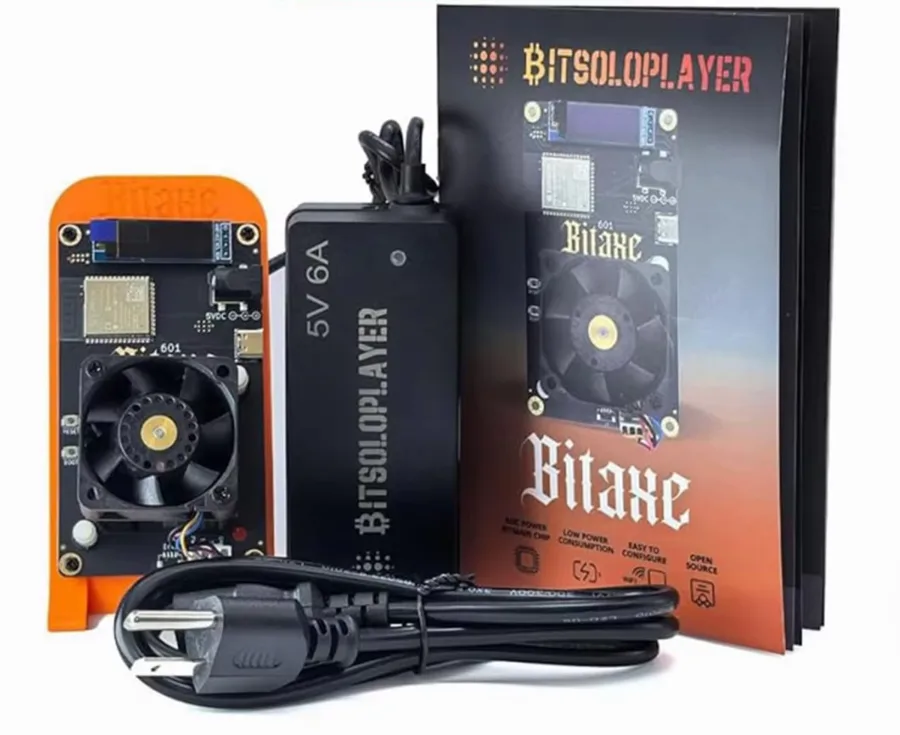

A $40 miner can win a full Bitcoin block. It can also quietly lose you money every month. Check your profit and solo-mining odds in 10 seconds, then pick the right miner.
Pick a miner, enter your electricity price, and see monthly profit, break-even power price and your real odds of hitting a block.
Estimates only: revenue = your share of 144 blocks/day × (3.125 BTC + ~0.03 BTC fees), minus no pool fee. Real results vary with difficulty, fees, BTC price and luck. Not financial advice.
Same BM1370 chip family as Bitmain's industrial S21 Pro, shrunk to your desk. Listings below include a matching power supply where possible.
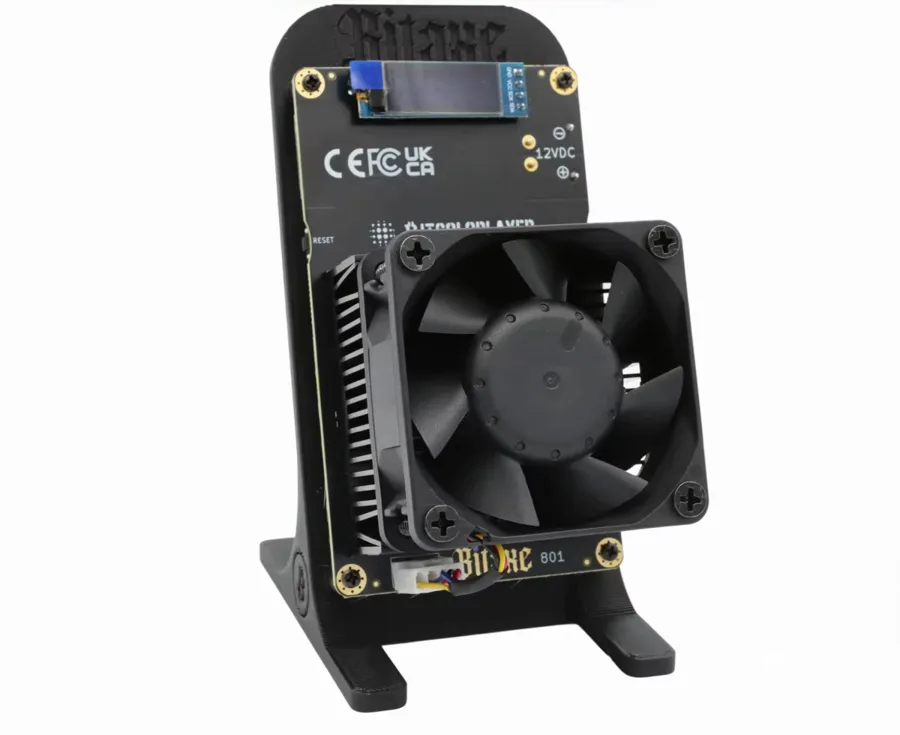
Prices checked Nov 2026 and change often. 🔧 Upgrade tip: pure copper heatsink for Bitaxe Gamma →
Get the Bitaxe Gamma. Best hashrate per dollar and per watt. Add a second one later and you'll beat a single GT for less money.
Bitaxe Gamma →NerdQaxe++ gives roughly 4× a Gamma's odds in one quiet box. Needs a proper 12 V supply and cheaper power to stay sane.
NerdQaxe++ →Under ~7–9¢/kWh the math flips. Go big with the NerdOCTaxe Hydro — and its heat warms your room in winter.
NerdOCTaxe →


Usually not as income. At average US power prices (~15¢/kWh) small miners lose a little each month in pool mining. They make sense if your power is cheap or solar, if you reuse the heat, or if you want a solo-mining lottery ticket.
With the network near 1,000 EH/s, a 1.2 TH/s Bitaxe Gamma has roughly a 1 in 15,900 chance per year. Tiny, but small home miners have found real blocks. Use the calculator above for your exact setup.
It can be. Bitaxe is open source, so many sellers build it. Follow the 5-point checklist, prefer listings with a matching power supply, and flash official firmware when it arrives.
Pool mining pays tiny, steady amounts. Solo mining usually pays nothing — until it pays a full block. Over the long run the expected value is about the same.
Subscribe on YouTube for honest numbers before you spend a dollar.
